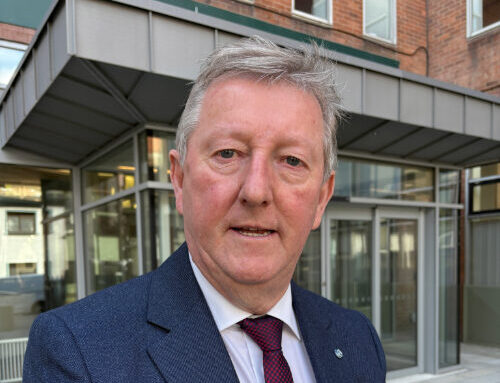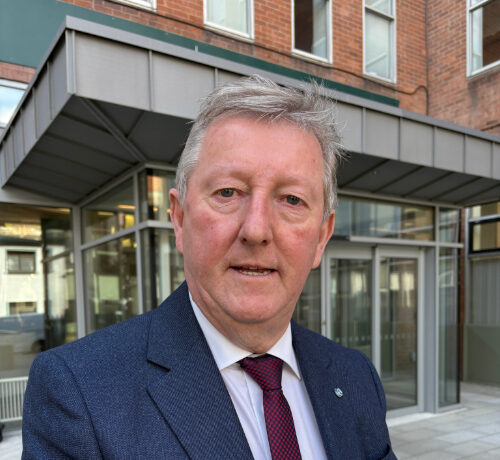
Seán Canney TD, Minister of State for International and Road Transport, Logistics, Rail and Ports and Leader in Cabinet of the Independent Ministers, has welcomed the publication of Ireland’s Circular Economy Strategy 2026–2028.
The strategy outlines how Ireland will move further away from the traditional ‘take, make and dispose’ model and instead keep products and materials in use for longer – through better design, repair, reuse and smarter production.
Minister Canney said: “People understand the idea of not wasting what we have. Whether it’s repairing an appliance instead of replacing it, or reducing packaging at source, this is about making better use of our resources.
It’s also about value. If we can lower the cost of repair, support local reuse businesses and reduce our reliance on imported raw materials, that’s good for families, good for enterprise and good for the environment.”
The strategy sets a national target to increase Ireland’s Circular Material Use Rate to 12% by 2030 and identifies six priority sectors – construction, agriculture and bioeconomy, retail, packaging, textiles and electronics – where practical actions and measurable targets will be delivered.
Among the measures included are:
- A pilot National Repair Voucher Scheme to make it more affordable to fix household goods
- The rollout of a Digital Product Passport for items such as textiles, furniture and tyres, helping consumers see clearly how sustainable a product is
- Support for reuse and repair hubs in communities around the country
- Stronger implementation of EU packaging rules and right-to-repair measures
- Investment in circular innovation and collaboration across the island
Progress will be monitored through a new National Circularity Dashboard, with annual reporting to Government.
Minister Canney added: “This won’t happen overnight. But if we steadily build circular thinking into how we design, build, manufacture and consume, we will cut waste, reduce emissions and create real opportunities for sustainable jobs across the country. The key now is steady implementation and measurable progress.”